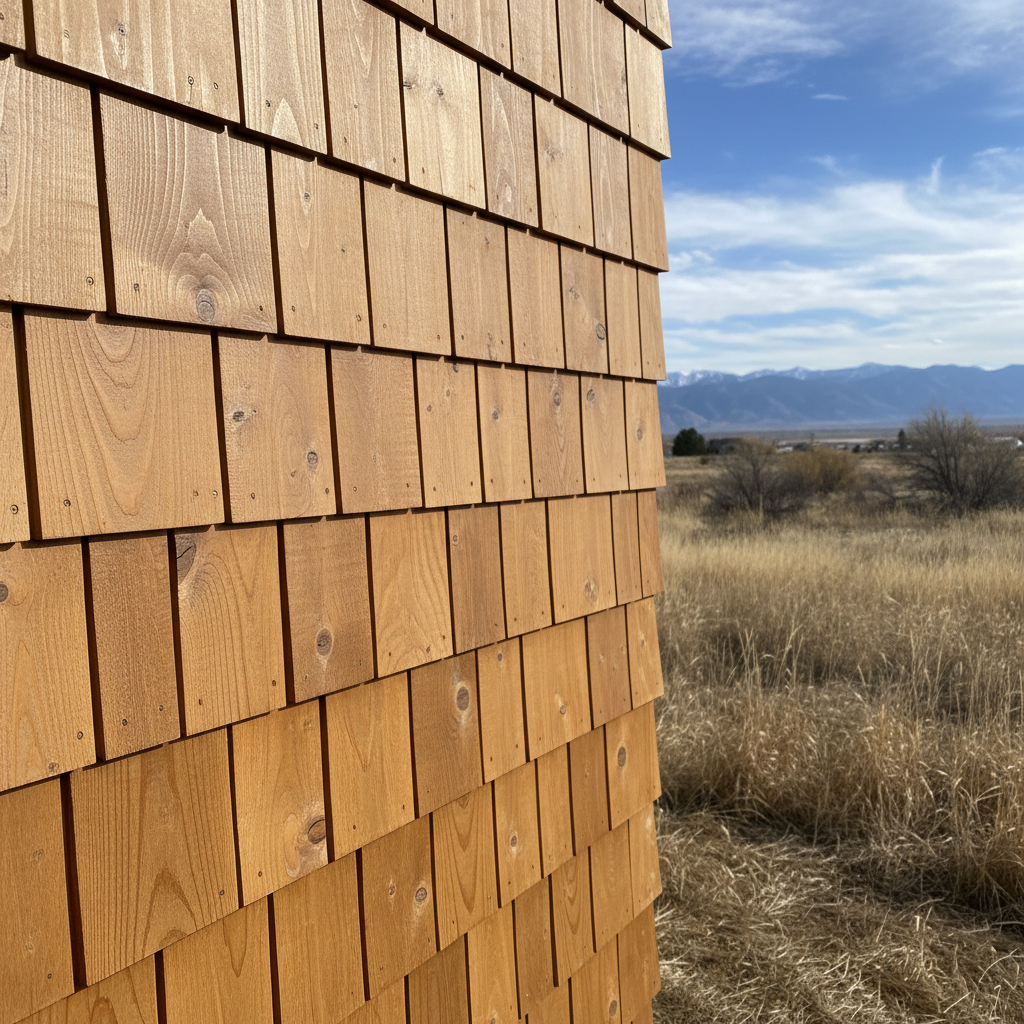
Wooden siding looks fantastic, doesn't it? There's a reason folks in neighborhoods like Olympus Cove, with those classic, established homes, often choose wood. It's got character, curb appeal, and it's a natural product. But it's also a commitment. If you're considering it, or you've already got it, you need to know what you're getting into, especially when it comes to keeping it in good shape.
Before You Start: Picking Your Wood
So, you're thinking about new wood siding. First off, you've got choices. Cedar, redwood, pine, fir – they all have different looks, price points, and how long they'll last. Cedar's a popular one here in Utah; it naturally resists rot and insects, which is a big plus with our seasonal moisture changes. Redwood is great too, but it can be pricier. Pine and fir are more budget-friendly, though they usually need more maintenance, especially if they're not properly treated.
Think about the style you want, too. Shingles, shakes, clapboard, board-and-batten – each gives a distinct look. This isn't really a DIY decision; it's more about aesthetics and your budget. But knowing your options helps you talk to a contractor. And speaking of contractors, make sure whoever you're talking to really knows their stuff about wood. It's not like vinyl or fiber cement; it moves, it breathes, and it needs to be installed right to last.
During the Project: What You Can Handle
Alright, let's say you're doing some repairs or maintenance on existing wood siding. What can you realistically do yourself?
- Cleaning: This is a big one you can absolutely handle. Grab a soft brush, some mild detergent, and a garden hose. Don't go crazy with a high-pressure washer unless you know what you're doing; you can damage the wood or force water behind it. Just a gentle scrub to remove dirt, mildew, and grime. Do this annually, especially on the north-facing sides of your house that don't get as much sun and tend to stay damp.
- Minor Repairs: Got a loose board? A nail popping out? You can fix that. Use galvanized nails or screws to prevent rust stains. If a small section has rotted, you can sometimes cut it out and patch it with an epoxy wood filler, then sand and paint or stain it to match. Just make sure the rot hasn't spread too far, okay?
- Painting or Staining: If your siding is due for a refresh, this is a big DIY project, but totally doable. Prep is key: clean the surface thoroughly, scrape off any loose paint, sand rough spots, and prime bare wood. Then, apply a good quality exterior paint or stain. Two coats are usually better than one. This isn't a weekend job for a whole house, but for a section or a shed, go for it.
What you probably shouldn't tackle yourself? Full siding replacement, especially if it involves removing old siding, dealing with house wrap, or cutting around windows and doors. That's where the pros come in. It's intricate work, and getting it wrong can lead to water intrusion and bigger problems down the line. Plus, handling long, heavy planks by yourself is a pain, and frankly, dangerous.
After the Project: Ongoing Maintenance is Key
So, the new siding is up, or you've finished your repairs. Now what? Wood needs love, plain and simple. It's not a set-it-and-forget-it material like some others.
- Regular Inspections: Walk around your house a couple of times a year. Look for cracks, peeling paint, loose boards, or any signs of rot, especially near the ground or around window frames. Pay attention to areas where snow tends to pile up against the foundation during our Millcreek winters. That constant moisture can really do a number on wood.
- Keep it Dry: This is huge. Trim back any bushes or trees that are touching the siding. You want good airflow. Make sure your gutters are clean and draining properly, directing water away from your foundation and siding. Standing water is wood's worst enemy.
- Re-seal or Re-stain: Depending on the product you used, you'll need to re-apply a protective finish every few years. Paint might last 5-10 years, while stains might need it every 3-5 years. Don't wait until it's completely faded or peeling; catch it early, and the job will be much easier.
When you spot something that looks like more than a simple fix – extensive rot, widespread insect damage, or if you're seeing signs of water getting behind the siding – that's your cue to call in a professional. We've seen it all at Majestic Siding Solutions, and sometimes a small issue can be a symptom of a much larger problem that needs expert attention. Don't let a minor issue turn into a major headache because you waited too long.
When to Call a Pro
Look, I'm all for homeowners doing what they can. But there's a point where DIY stops being cost-effective or safe. If you're dealing with structural issues, large sections of damaged siding, or if you just don't have the time, tools, or confidence to do it right, then it's time to bring in someone who does this for a living. We've got the experience, the right equipment, and we know how to handle the unique challenges that come with wood siding, especially with our local Millcreek climate.
Properly maintained wood siding can last for decades and add incredible value to your home. Just know its needs, and don't be afraid to ask for help when you need it.