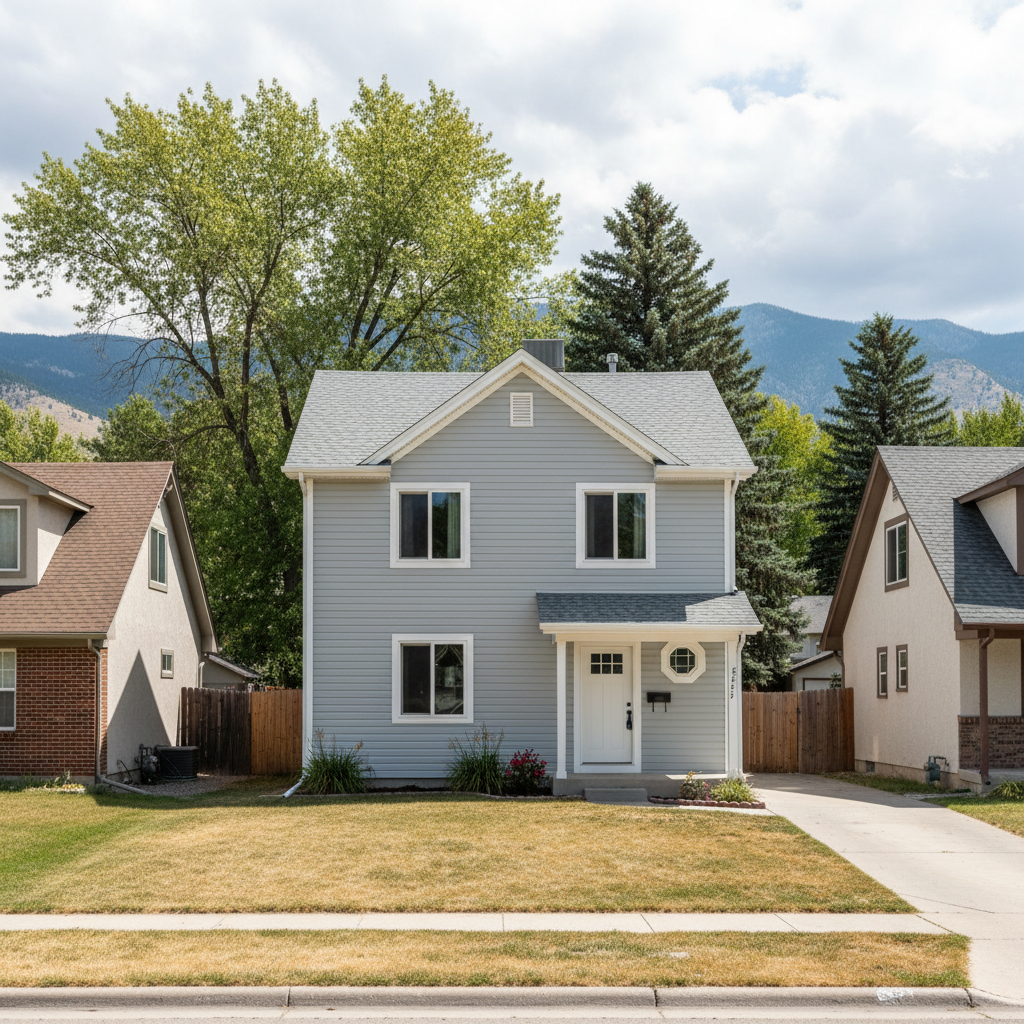
Your home's siding takes a beating, doesn't it? Especially here in Millcreek. We get all four seasons, sometimes in one week, and that really puts your exterior through its paces. I see it all the time when I'm out on jobs, whether it's up by Olympus Hills or down closer to the main drag on 3300 South.
Why Bother Cleaning Your Siding? It's More Than Just Looks.
Look, nobody wants a dirty house. That's obvious. But cleaning your siding isn't just about curb appeal, though that's a big part of it. It's about protecting your investment. Over time, dirt, grime, mildew, algae, and even pollutants from the inversion can build up. This stuff doesn't just sit there looking ugly; it can actually start to break down your siding material. Think about it: that green fuzzy stuff isn't just a decoration; it's a living organism that can hold moisture against your siding, potentially leading to rot or degradation, especially on older wood or fiber cement.
We've got a lot of mature trees in Millcreek, which is beautiful, but it also means more shade and more organic debris. That's a perfect recipe for algae and mildew growth, particularly on the north-facing sides of homes that don't get much direct sun. If you've got a home in a shaded area, like some of those tucked away spots near Big Cottonwood Creek, you know exactly what I'm talking about.
What's the Right Way to Clean Siding?
This isn't a one-size-fits-all kind of job. What works for vinyl might damage stucco, and what's safe for brick could be too aggressive for painted wood. That's where knowing your materials comes in. You've got to use the right approach, or you could end up doing more harm than good.
Vinyl Siding: This is pretty common around here, especially on newer builds or remodels. It's generally durable, but you still need to be careful. A low-pressure wash with a good quality siding cleaner (often a mix of water, detergent, and sometimes a little bleach for mildew) usually does the trick. High pressure can force water behind the panels, causing moisture issues, or even warp the vinyl.
Fiber Cement Siding (like HardiePlank): Another popular choice for its durability and look. It can handle a bit more pressure than vinyl, but again, moderation is key. You want to clean it, not strip the paint or damage the surface. A soft brush and a gentle cleaning solution are often best for spot cleaning, followed by a rinse.
Wood Siding: This is where you really need to be careful. Wood can absorb water, rot, and the paint can peel if you're too aggressive. A very gentle wash, often with a specific wood cleaner, and careful rinsing is essential. Sometimes, hand scrubbing with a soft brush is the safest bet.
Stucco: Many older homes and some custom builds in Millcreek have stucco. It's porous, so it can hold onto dirt and algae. Low pressure is a must here. You don't want to blast holes in it or force water into the substrate. Specialized stucco cleaners help break down the grime without damaging the finish.
The Dangers of DIY Pressure Washing
I've seen it countless times. Someone buys a new pressure washer, thinks they're going to save a few bucks, and ends up etching lines into their siding, blowing off paint, or worse, forcing water into their wall cavities. A pressure washer in the wrong hands is a powerful tool for destruction. You might think you're just cleaning, but you could be setting yourself up for bigger problems down the road – mold, rot, structural damage. It's not worth the risk.
Plus, getting up on a ladder with a powerful spray wand isn't exactly the safest weekend activity. We've got sloped lots and uneven ground all over Millcreek, making ladder work even trickier. You don't want to be falling off your roof trying to get that last bit of grime off the gable.
Why Local Expertise Matters for Siding Cleaning
This isn't just about knowing how to use a sprayer. It's about understanding the local environment. We know about the hard water we have here and how it can leave streaks if not rinsed properly. We know about the specific types of algae and mildew that thrive in our climate. We know the common building materials used in different Millcreek neighborhoods – from the older brick homes in the Holladay-Cottonwood area to the newer developments with more vinyl and fiber cement.
When you hire a local pro like Majestic Siding Solutions, you're not just getting a cleaning service. You're getting someone who understands the nuances of Millcreek homes and knows how to treat your siding right. We've got the right equipment, the right cleaners, and most importantly, the experience to do it safely and effectively. We'll leave your home looking fresh without causing any unintended damage. It's about protecting your home and making sure it stands up to whatever Utah weather throws at it.