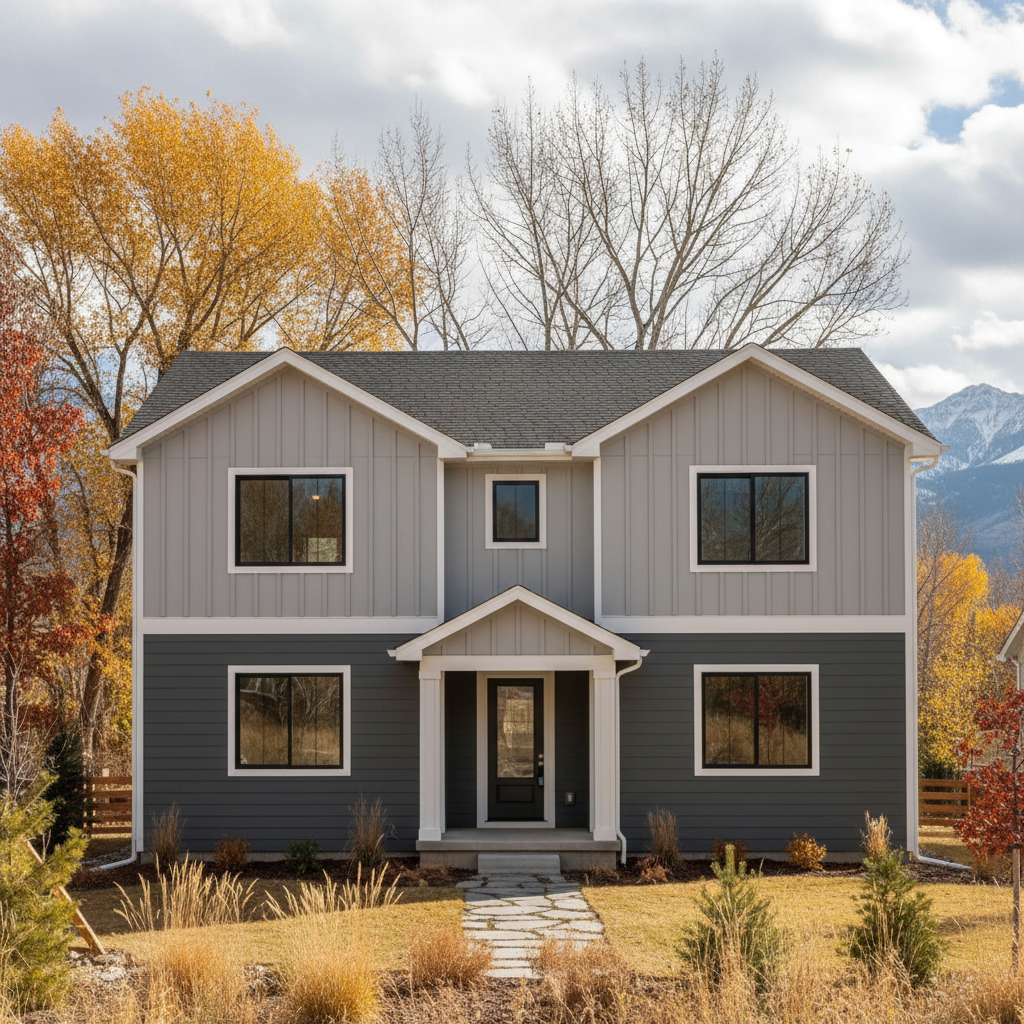
So, you've decided it's time for new siding. Good call! It's honestly one of the smartest investments you can make for your home's protection and how it looks. But here in Millcreek, with our four distinct seasons and those sometimes wild weather swings, you might be wondering: when's the best time to actually get this project done? And once it's up, how do you make sure it lasts?
I've been in this business for a long time, and I've seen firsthand how our local climate affects siding jobs. It's more than just picking a color; you really need to understand the elements.
The Best Time for Siding Installation in Millcreek
Honestly, we can install siding pretty much any time of year. But some seasons are definitely easier on the crew and better for the materials, no question. We always work with the weather, never against it.
- Spring (April to June): This is usually prime time. Temperatures are mild, not too hot, not too cold. We get some rain, sure, but it's often manageable. The ground isn't frozen, which makes digging for things like drainage or foundation work around the house a lot easier. Plus, if you want your home looking fresh for summer get-togethers, spring installation gets it done just in time.
- Summer (July to August): Hot, hot, hot. We work through it, but those 90-degree days, especially with the sun beating down, can be tough. Materials like vinyl siding can get really pliable in the heat, meaning we have to be extra careful with how they expand and contract. Wood siding can dry out quickly, too. We'll often start earlier in the day to beat the worst of the heat. It's doable, but not always ideal for the crew or the materials.
- Fall (September to November): Another fantastic window. The air is crisp, the temperatures are usually perfect, and the leaves are changing, which makes for a nice backdrop. We don't have to worry as much about extreme heat or frozen ground. This is a busy season for us, so if you're planning for fall, you'll want to get on the schedule early.
- Winter (December to March): This is where things get tricky. Snow, ice, and freezing temperatures can really slow things down or even halt a project completely. Some materials, like fiber cement, need specific temperature ranges for installation and for sealants to cure properly. Vinyl siding can get brittle when it's super cold, making it more prone to cracking if we don't handle it just right. We can definitely work in winter, especially if it's an emergency or an interior project, but exterior siding work often means more delays because of the weather. And let's be real, working on icy scaffolding isn't anyone's favorite.
Ultimately, what you need to know is that we're always watching the forecast. We'll advise you on the best approach for your specific project and materials, always keeping our Millcreek climate in mind. If you live up near the mouth of Big Cottonwood Canyon, you know those early winter storms can hit hard, so planning ahead is absolutely key.
Protecting Your Siding Investment Year-Round
Once your beautiful new siding is up, you want it to last, right? Of course! Here's how you can protect it from our local conditions.
- Keep it Clean: Dust, pollen, and even those pesky spring bugs can build up. A gentle wash with a soft brush and a garden hose once a year can make a huge difference. For tougher spots, a mild detergent works wonders. Just don't use a high-pressure washer too close, especially on older siding or around openings; you can force water behind the panels.
- Trim Those Trees and Shrubs: We get some pretty good winds coming off the Wasatch Front. Tree branches rubbing against your siding can cause abrasion and damage over time. Keep shrubs trimmed back a few inches from the house to allow for air circulation and prevent moisture buildup, which can lead to mold or mildew, especially on the north side of your home that doesn't get much direct sun.
- Check Your Gutters and Downspouts: This is a big one. Clogged gutters can cause water to overflow and run down your siding, leading to streaks, staining, and even water intrusion if your flashing isn't perfect. Make sure they're clear, especially after the fall leaves drop and before winter snows hit. Direct downspouts away from your foundation.
- Look for Damage After Storms: After a big windstorm or a heavy hailstorm, take a walk around your house. Look for loose panels, cracks, dents, or anything that seems out of place. Catching small issues early can prevent them from becoming major headaches.
- Address Moisture Quickly: If you notice any signs of moisture intrusion – peeling paint on trim, soft spots on your siding, or water stains indoors – don't wait. Water is the enemy of your home's structure. Getting it checked out by a professional, like us at Majestic Siding Solutions, can save you a lot of grief and money down the road.
- Sealant Maintenance: Around windows, doors, and other penetrations, sealants can degrade over time due to UV exposure and temperature fluctuations. Check these areas annually and reapply caulk where needed to maintain a watertight seal.
Your siding is your home's armor. A little proactive care goes a long way in making sure it stands up to everything Millcreek weather throws at it, year after year. If you ever have questions or spot something that doesn't look right, don't hesitate to give us a call. We're always here to help you protect your investment.