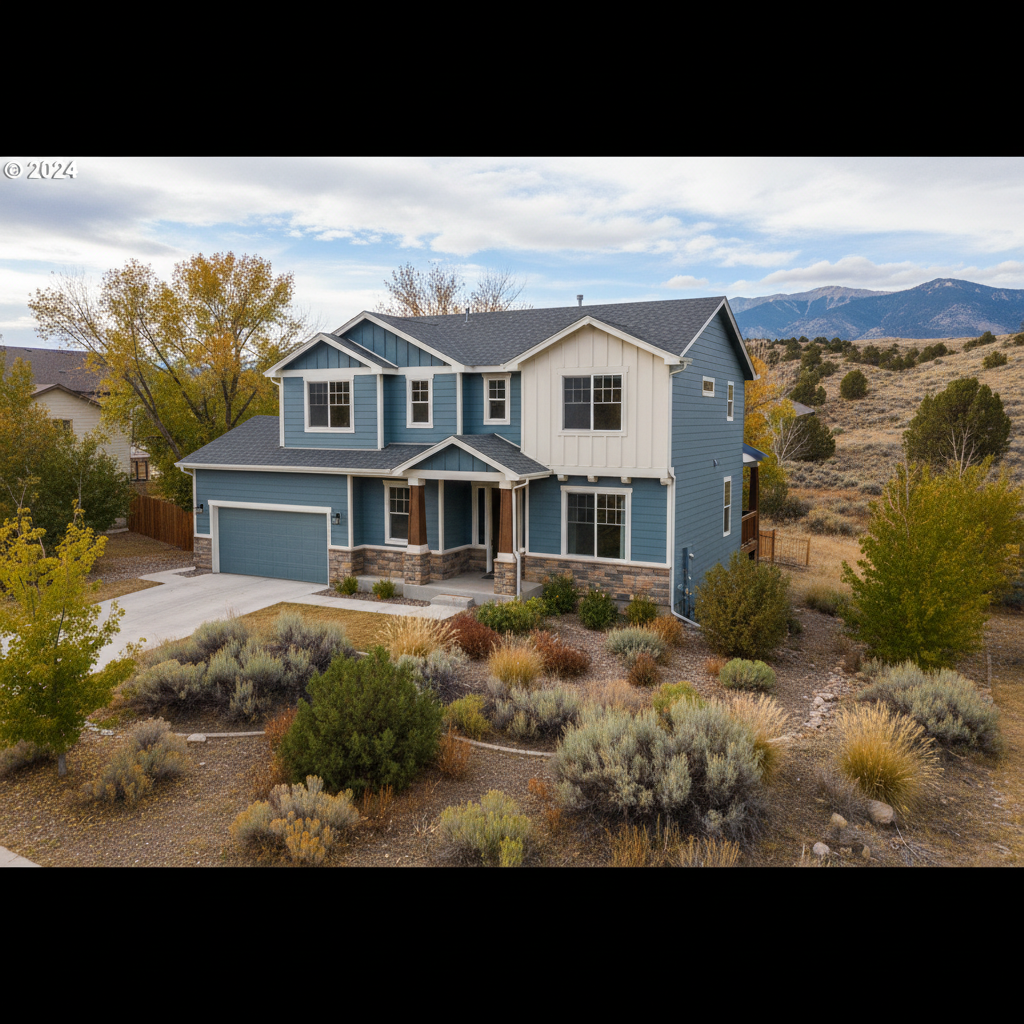
You're looking at your house, maybe noticing some faded paint, a few cracked boards, or just that tired look that screams, 'Hey, I need an upgrade.' Siding replacement isn't just about making your home look good again; it's a really important investment in protecting your biggest asset. And here in Millcreek, with our crazy weather swings, that kind of protection is something you truly can't afford to skimp on.
Why a 'New Look' Isn't Enough
When folks call me about new siding, they often start with colors or materials. That's totally fine, it's exciting to think about the finished product. But what I always tell them is that the real work—the stuff that makes your new siding last for decades—happens underneath. We're talking about the 'bones' of your house: the sheathing, the house wrap, and how everything is sealed up tight.
Think about it: we get scorching summers that bake everything, then harsh winters with heavy snow and ice. That constant expansion and contraction, plus moisture trying to find its way in, puts a lot of stress on your home's exterior. If you just slap new siding over old, damaged stuff, you're not fixing the problem, you're just covering it up. And trust me, those problems will come back to bite you, usually in the form of rot, mold, or drafts that drive up your energy bills. Who needs that?
The Millcreek Difference: What We See
I've been working on homes all over Millcreek for years – from the older brick ramblers near Evergreen Park to the newer builds up by the mouth of Millcreek Canyon. And what I see again and again are issues tied directly to our specific climate and, sometimes, the way homes were originally built.
- Moisture Management: This is huge. Our wet springs and snowy winters mean water is always trying to get in. Proper flashing around windows and doors, a high-quality house wrap, and careful sealing are non-negotiable. I've seen homes where water got behind the siding and just sat there, rotting out the sheathing. You definitely don't want that.
- UV Damage: Our high altitude means more intense UV rays. This fades paint, breaks down sealants, and makes certain materials brittle over time. So, we pick materials and finishes specifically designed to stand up to that kind of sun exposure.
- Thermal Bridging: Some older homes, especially those built without modern insulation standards, can lose a lot of heat right through their studs. When we're doing a full tear-off, it's a perfect chance to add exterior insulation, like rigid foam boards. This can make a huge difference in your home's energy efficiency. It costs a bit more upfront, sure, but it really pays for itself over time.
- Foundation Issues: Not directly siding, no, but I've seen homes where settling foundations have caused walls to shift, leading to cracks in the siding. We always look for these deeper issues because putting new siding on a structurally compromised wall is just asking for trouble.
It's All About the Prep Work
A good siding job starts long before the first new panel goes up. It involves:
- Thorough Inspection: We strip off the old siding and really look at what's underneath. Is there rot? Are there signs of pest damage? How's the existing sheathing holding up? Sometimes we find surprises, but it's always better to find them then and fix them properly.
- Sheathing Repair/Replacement: If your plywood or OSB sheathing is compromised, we replace it. No shortcuts here, ever.
- House Wrap Installation: This is your home's rain jacket, essentially. We use high-performance, breathable house wraps that keep water out but let moisture vapor escape from inside your walls. This prevents mold and mildew growth.
- Flashing and Sealant: Every penetration – windows, doors, vents – needs proper flashing and high-quality sealants. This is where most water intrusions happen if not done right. It's tedious work, but it's absolutely vital.
- Furring Strips (Sometimes): For certain types of siding, or if we're adding exterior insulation, we might install furring strips to create a rain screen. This air gap behind the siding helps moisture drain away and promotes drying.
When Majestic Siding Solutions does a job, we're not just installing siding; we're building a complete weather barrier system for your home. We take the time to do it right, from the foundation up to the eaves, because we know what happens when you don't. You live here, and so do we. We're not going to cut corners on your home, just like we wouldn't on our own.
Local Expertise Matters
You might think siding is siding, no matter where you are. But local conditions, building codes, and even common architectural styles in Millcreek mean that local experience is incredibly valuable. We know the types of homes here, the common issues they face, and the best solutions that stand up to our specific environment. A contractor from out of state or even just from a different part of the valley might not understand the nuances of a home built in the 70s near Olympus High versus a newer one up by Wasatch Boulevard. It's a different world.
So, when you're ready to upgrade your home's exterior, remember it's not just about aesthetics. It's about a strong, long-lasting protective shell. And that starts with solid prep work and a team that knows Millcreek homes inside and out.