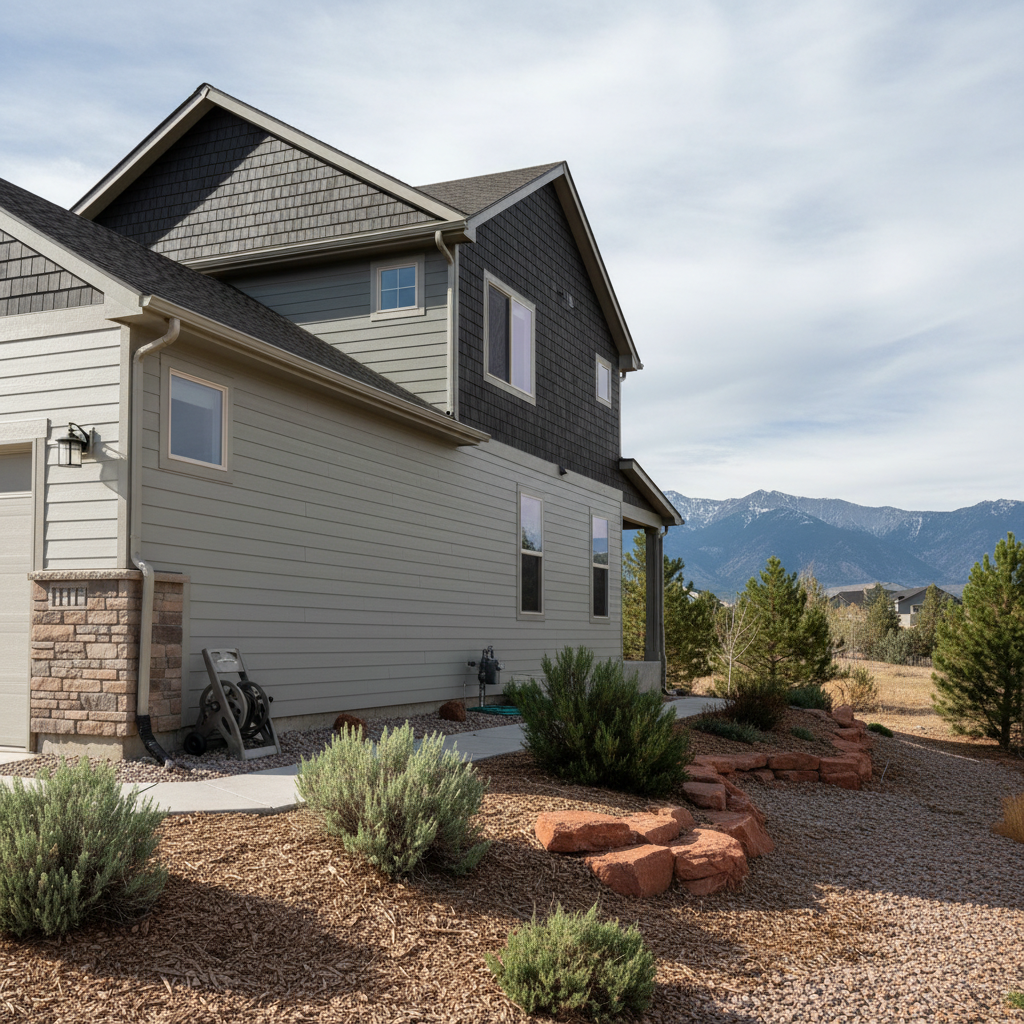
Alright, let's talk about taking off old siding. You're probably dreaming of a fresh look for your Millcreek home, or maybe you've got some serious damage that just can't wait. Whatever the reason, pulling off old siding isn't just about ripping stuff off the wall. There are some big mistakes I see homeowners make all the time, and trust me, they can cost you a bundle – and a lot of headaches later on. I'm here to tell you what to watch out for, okay?
Mistake #1: Not Really Checking Out Your Contractor
This is probably the biggest one out there. You get a few bids, and naturally, you're eyeing that bottom line. But picking the cheapest guy without doing your homework? That's a recipe for disaster. I've seen it too many times. You need to ask for references, and then actually call them. Check their license and insurance – seriously, don't skip this step. If they're not properly insured, and someone gets hurt on your property, or they damage something, that's all on you. A good contractor, like us at Majestic Siding Solutions, will have all that ready to go and won't even bat an eye when you ask. A red flag? Anyone pressuring you for a big upfront payment or a cash-only deal. Just walk away.
Mistake #2: Ignoring What's Underneath
So, you're tearing off the old siding. Great! But what's hiding underneath all that? A lot of folks just assume the sheathing is fine, or that any issues will be minor. Not always the case, though. Especially with some of the older homes around places like Canyon Rim, where you might have original wood siding that's been covered up for decades, there could be rot, insect damage, or even structural problems. A thorough contractor will definitely consider the possibility of needing repairs to the sheathing, framing, or moisture barrier. If your contractor isn't talking about inspecting the substrate, that's a problem. You really don't want to put brand new siding over existing damage; it's just going to come back to haunt you.
Mistake #3: Not Planning for All That Waste
Old siding isn't just going to magically disappear, you know. Depending on what you're removing – be it old asbestos shingles (a whole other can of worms, by the way, requiring specialized handling), aluminum, or vinyl – you're going to have a lot of material. And it's heavy! Many homeowners don't consider the logistics or cost of disposal. Do you have a dumpster lined up? Is your contractor handling it? What are the local regulations for getting rid of construction debris? Some materials can't just go to the regular landfill. Make sure this is clearly spelled out in your contract. You definitely don't want a mountain of old siding sitting in your driveway for weeks.
Mistake #4: Underestimating the Impact on Your Property
Siding removal is a messy job. There's dust, debris, nails, and sometimes even paint chips flying around. If you've got landscaping, gardens, or even just a nice lawn, it needs protection. I've seen contractors who don't bother, and the homeowner ends up with a trashed yard. Talk to your contractor about how they plan to protect your property. Are they putting down tarps? Are they going to do a thorough cleanup daily? What about access for their crew and equipment? These might seem like small details, but they make a huge difference in your overall experience and the condition of your home and yard when the job's done.
Mistake #5: Not Understanding the Project Timeline
Weather in Millcreek can be pretty unpredictable, especially during spring and fall. One day it's sunny, the next it's snowing or raining. This can really impact your siding removal timeline. If your contractor gives you a super-tight, unrealistic schedule without mentioning potential delays, be wary. A good contractor will build in some flexibility and communicate openly if there are weather-related or unforeseen issues. You don't want your home exposed to the elements for longer than necessary, especially if we get one of those sudden spring storms, right?
Look, getting new siding is a big investment, and getting the old stuff off right is the first critical step. Don't rush it, and don't cut corners. Do your homework, ask the tough questions, and make sure you're working with someone who knows what they're doing. It'll save you a lot of grief in the long run.