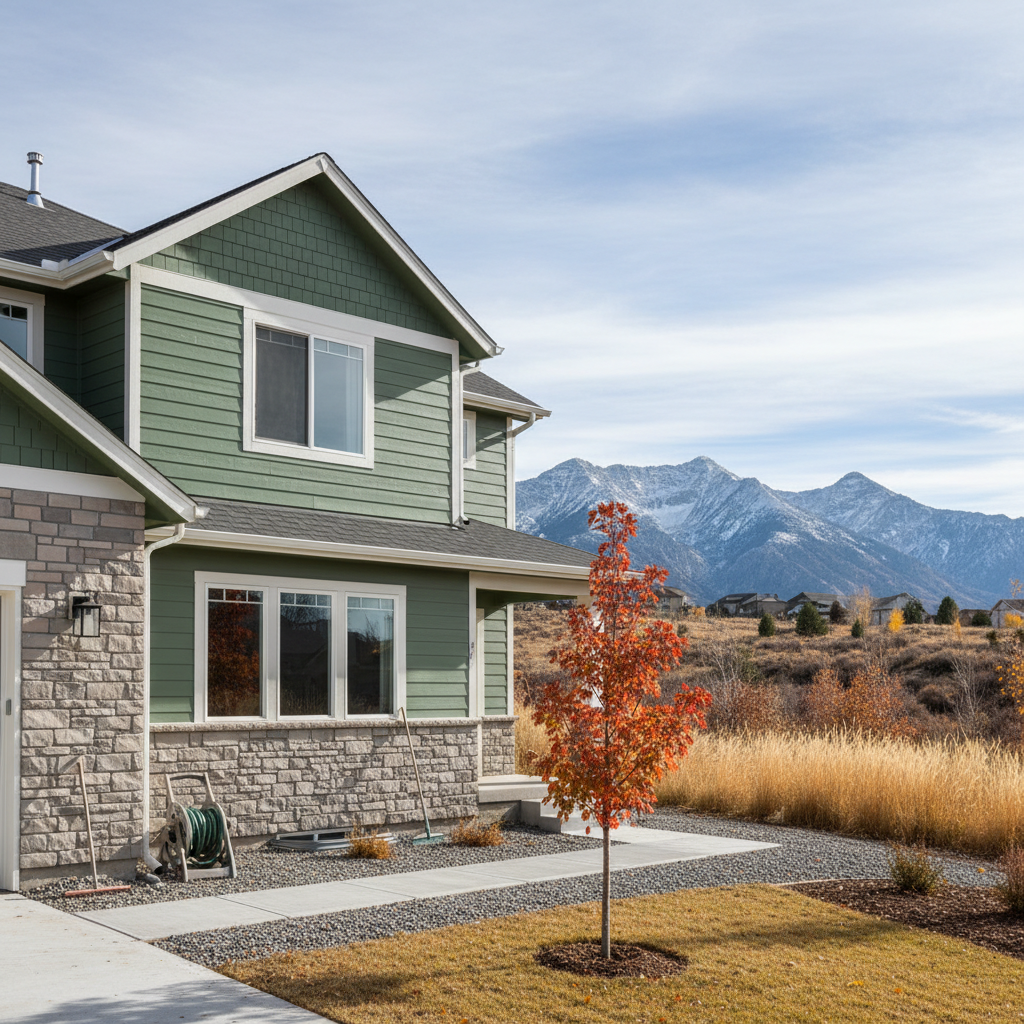
When's the best time to rip off old siding and put up new stuff? It's a question I get asked a lot, and for good reason. You don't want to leave your house exposed to the elements any longer than necessary, especially here in Millcreek where the weather can turn on a dime. Getting the timing right for siding removal isn't just about convenience; it's about protecting your biggest investment and making sure the new siding goes on properly.
Why Timing Your Siding Removal Matters
Look, nobody wants their house looking like a construction zone for weeks, especially if it's raining or snowing. But beyond the aesthetics, there are real practical reasons to think about when you schedule your siding project. The goal is always to minimize the time your home's sheathing and framing are exposed to moisture. Even a little bit of water getting behind that old siding can cause big problems down the line, like mold, rot, or even structural damage. We're talking about the integrity of your home here, not just curb appeal.
Another thing to consider is the impact on the new siding installation. Many siding materials, especially fiber cement or certain types of vinyl, perform best when installed in specific temperature ranges. Trying to install them in freezing temperatures or extreme heat can affect how they expand and contract, leading to issues like buckling or cracking down the road. You want a tight, secure fit that lasts, and that starts with good conditions.
The Best Time to Schedule Siding Removal in Millcreek
Based on what I've seen over the years working on homes from Canyon Rim to Mount Olympus Cove, the sweet spot for siding removal and installation in Millcreek is usually late spring through early fall. Think May, June, September, and early October. Here's why:
- Spring (Late April - June): The ground has usually dried out from winter, and we're past the worst of the spring showers. Temperatures are generally mild, making it comfortable for the crew and ideal for material handling. You're less likely to run into unexpected snow or hard freezes.
- Summer (July - August): This can work, but you've got to watch out for those intense afternoon thunderstorms we get. If we're doing a full tear-off, we'll always have a plan to cover exposed areas quickly if a storm rolls in. The heat can also make things tough on the crew, but it's generally dry.
- Fall (September - Early October): This is often ideal. The days are still warm, but the scorching summer heat is gone. We usually get a good stretch of dry weather before the serious winter snows start. It gives us plenty of daylight to work with and stable conditions for installation.
I generally advise against full siding removal in the dead of winter (November through March) if it can be avoided. Freezing temperatures make materials brittle, and constant snow or ice makes for a messy, difficult, and potentially unsafe work environment. Plus, trying to keep your house warm and dry with half the siding off in January is a nightmare.
Weather Conditions That Affect the Work
Beyond the season, specific weather conditions play a huge role. Here's what we're always keeping an eye on:
- Rain: This is the big one. We absolutely cannot leave your home's sheathing exposed to heavy rain. If rain is in the forecast, we'll either delay the tear-off or work in smaller sections, making sure to re-cover exposed areas with house wrap or tarps at the end of each day, or even during a mid-day downpour. We're pretty good at watching the radar.
- Wind: High winds can be dangerous for the crew, especially when working on ladders or scaffolding. They can also make it tough to handle large sheets of siding or house wrap. Plus, nobody wants debris flying around the neighborhood.
- Extreme Temperatures: As I mentioned, very cold or very hot weather can affect how materials behave. It also impacts the efficiency and safety of the crew. We'll always prioritize safety and quality, which sometimes means adjusting the schedule.
At Majestic Siding Solutions, we're always flexible. We'll monitor the forecast closely and communicate with you every step of the way. If we need to push a day back because of a sudden storm, we will. It's always better to wait a day than to rush and compromise the quality of the job or the safety of our team.
Protecting Your Investment Year-Round
Once your new siding is up, you want it to last, right? Here are a few simple things you can do to protect your investment:
- Keep Gutters Clean: This is huge. Clogged gutters can cause water to overflow and run down your siding, leading to streaks, staining, and even moisture intrusion over time. Especially with all the leaves we get from the mature trees in places like Holladay, you've got to stay on top of this.
- Trim Landscaping: Make sure bushes, trees, and vines aren't growing directly against your siding. They can trap moisture, rub against the surface, and even provide pathways for pests. Give your siding some breathing room.
- Regular Inspections: Just walk around your house a couple of times a year. Look for any cracks, loose panels, or signs of damage. Catching small issues early can prevent them from becoming major repairs. After a big snowmelt or a heavy rain, it's a good time to check.
- Gentle Cleaning: Most siding just needs a good wash with a garden hose and a soft brush every now and then to remove dirt and grime. Avoid high-pressure washers unless you know what you're doing, as they can force water behind the siding or damage the material.
Taking care of your siding isn't rocket science, but it does require a little attention. A well-maintained exterior not only looks great but also protects your home's structure and helps maintain its value. If you ever have questions or spot something that doesn't look right, don't hesitate to give us a call. That's what we're here for.