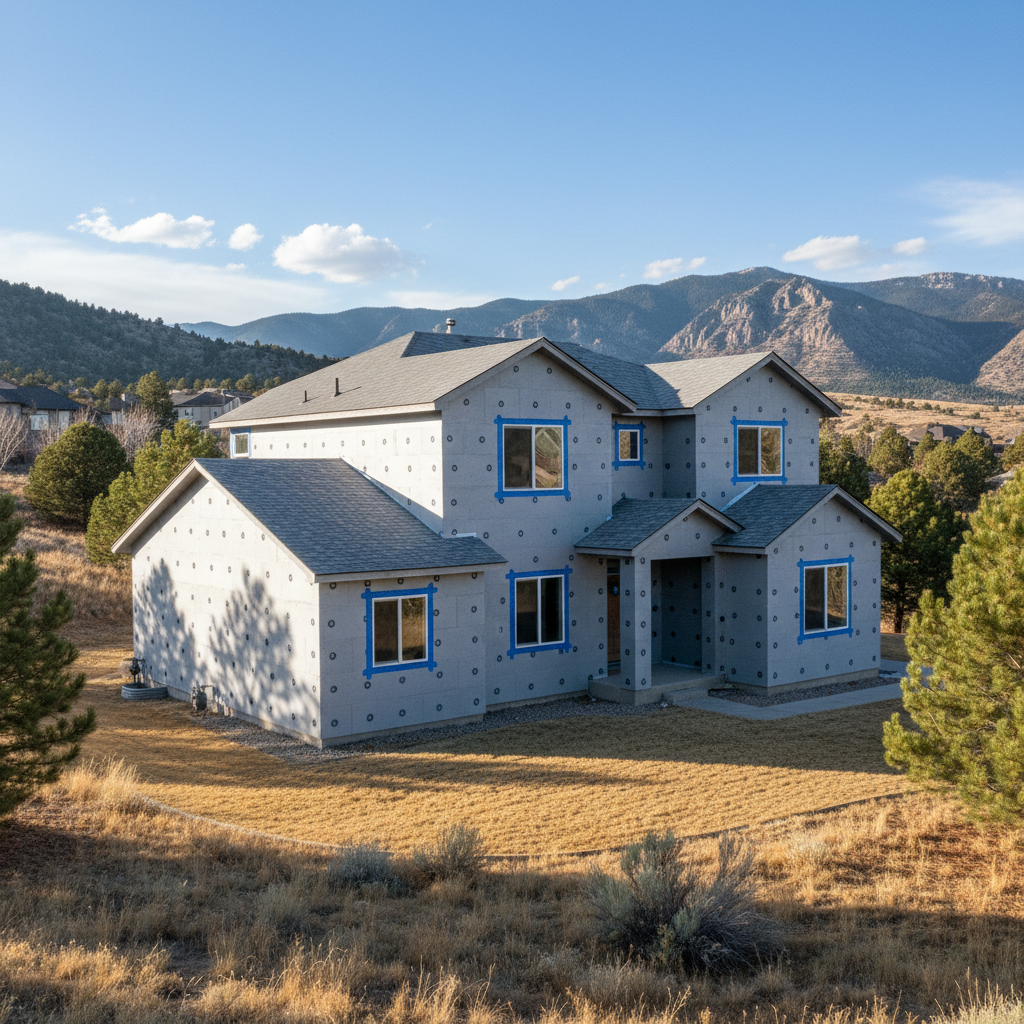
Alright, let's talk insulation. You're probably feeling those drafts or seeing those energy bills creep up, and thinking it's time for an upgrade. Good call. A solid insulation job isn't just about making your home comfy; it's about protecting your place and your wallet long-term. But where do you even start?
Planning Your Insulation Project: The Timeline
Look, insulation isn't like swapping out a lightbulb. It takes some planning, especially if you want it done right without turning your life upside down. Here's a general timeline you can expect:
- Initial Research & Quotes (2-4 weeks): This is where you figure out what kind of insulation you need (attic, walls, crawl space), what R-value you're aiming for, and start calling around for estimates. Don't rush this part. Really, get at least three quotes.
- Contract & Scheduling (1-2 weeks): Once you pick a contractor, you'll sign the paperwork and get on their schedule. Good contractors are often booked out a bit, so keep that in mind.
- Material Delivery & Prep (1-3 days before): Depending on the job, materials might show up a day or two before the crew. You'll also need to do your part getting the house ready.
- Installation (1-5 days): The actual work time varies wildly. An attic top-up might be a day. A full wall cavity insulation job, especially if it means removing old stuff, could easily take several days.
- Post-Installation & Cleanup (1 day): Most contractors will do a thorough cleanup. You'll definitely want to do a final walk-through.
So, from start to finish, you're probably looking at anywhere from a month to six weeks. Plan ahead, especially if you're trying to beat the winter chill or the summer heat.
What to Expect During the Process
When the crew shows up, here's what you'll generally see happening:
- Protection: They should lay down drop cloths and plastic sheeting to protect your floors and furniture, especially if they're blowing in insulation. It's a messy job by nature, so containing it is key.
- Access: For attic insulation, they'll use your attic access point. For wall insulation, they might need to drill small holes from the exterior or interior, depending on the method. Don't worry, these get sealed up.
- Old Insulation Removal (if applicable): If you're getting old, damaged, or contaminated insulation removed, that's usually the first step. This is often done with large vacuums that suck the old material into bags outside. It's loud, but necessary.
- Air Sealing: A good insulation job almost always includes air sealing first. This means sealing up gaps, cracks, and penetrations in your building envelope where air can leak in and out. Think around vent pipes, electrical wires, and attic hatches. This step is crucial for efficiency.
- New Insulation Installation: Then comes the new stuff. Whether it's blown-in cellulose or fiberglass, batts, or spray foam, they'll get it into place, making sure to hit the right R-value for your climate.
- Cleanup: Once the insulation is in, they'll clean up their mess. You shouldn't have to do much more than a quick vacuum after they leave.
It can be a bit disruptive, especially with the noise and people in and out of your house. But remember, it's temporary for a long-term gain.
How to Prepare Your Home for Insulation Installation
You can make the process smoother for everyone, including yourself, by doing a little prep work:
- Clear Access: Make sure the path to your attic access, crawl space, or the exterior walls they'll be working on is clear. Move furniture, boxes, or anything else that might be in the way.
- Protect Valuables: While contractors should protect your home, it doesn't hurt to move any fragile items or electronics out of the work area.
- Pets & Kids: Keep pets secured and kids out of the work zones. It's for their safety and helps the crew focus.
- HVAC Vents: If they're working in the attic, make sure your HVAC vents are clear of obstructions.
- Talk to Your Contractor: Ask them specifically what they need you to do before they arrive. Every job is a little different.
A little preparation goes a long way in keeping the project on track and stress-free.
Questions to Ask Before Signing That Contract
Don't just sign on the dotted line. You're investing in your home, so ask the tough questions. Here's what I'd want to know:
- What's the exact R-value you'll be installing? Make sure it meets or exceeds local recommendations for Millcreek homes, especially with our hot summers and cold winters.
- What specific materials will you use (brand, type)? Don't just accept