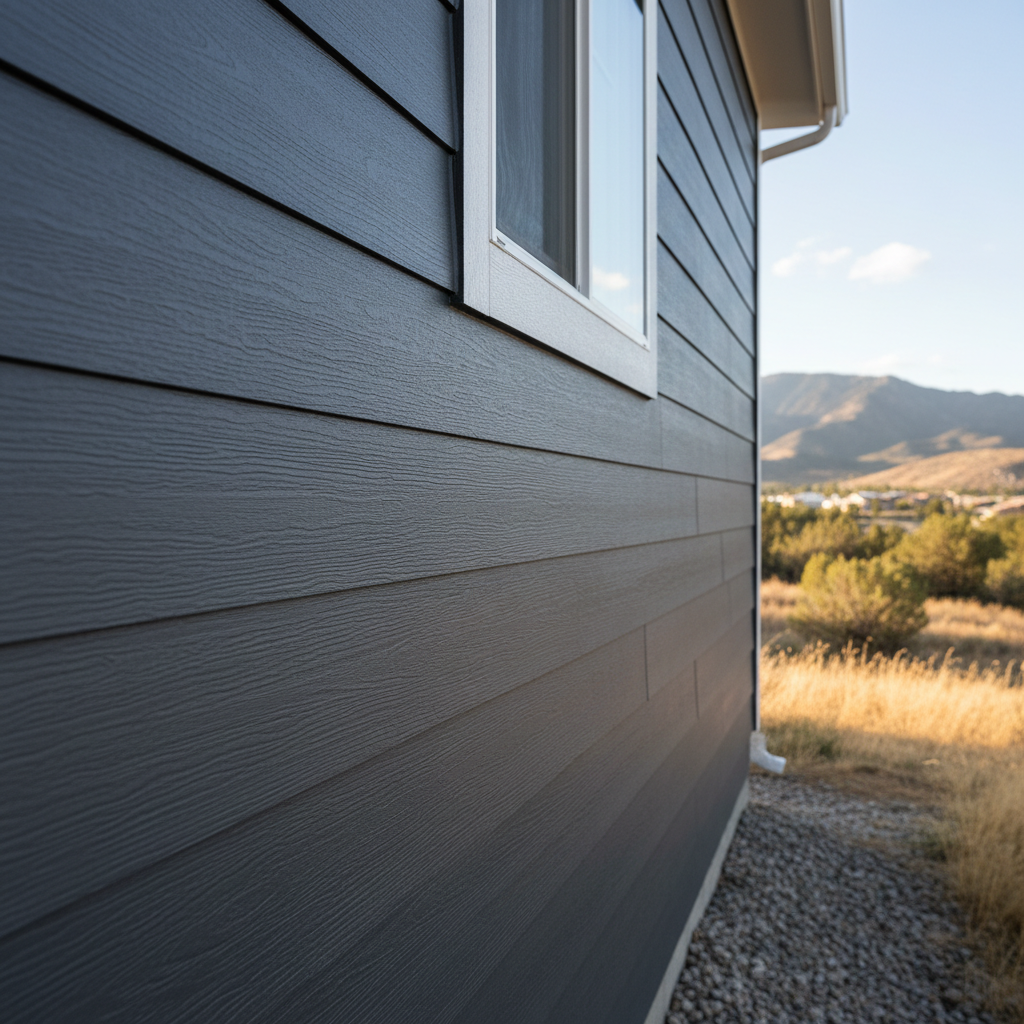
Think your siding's doing its job? You might be surprised how many folks in Millcreek don't really know what to look for until a big problem pops up. But honestly, a little regular inspection can save you a ton of headaches and money later on. I've seen it happen time and again. So, let's talk about what you can realistically check yourself, and when you absolutely need to bring in someone like us at Majestic Siding Solutions.
Before You Start Your Siding Inspection
First things first, let's talk safety. You'll be looking up, walking all around your house, and maybe even using a ladder for certain spots. Just make sure you've got stable footing. Clear any junk away from your foundation. If you're using a ladder, have someone spot you, or at least make absolutely sure it's on solid, level ground. You really don't want to get hurt just trying to check your siding. Oh, and grab a notepad and a pen, or just use your phone's camera. You'll want to write down anything you find.
Pick a good day for this, by the way. Overcast but dry is usually best. Direct sunlight can cause glare that makes it tough to spot subtle issues, and you definitely don't want to be doing this in the rain or when it's super windy. Give yourself an hour or two, maybe more if you have a bigger home. Don't rush it.
What to Look For During Your DIY Siding Inspection
Alright, let's get down to business. Walk around your entire house, slowly. Don't just glance; really look. Here's a checklist of common problems:
- Cracks, Chips, or Holes: These are pretty obvious, right? Even small cracks can let water in, and water is the enemy. Look for impact damage, especially on lower sections where kids' balls or lawnmowers might have hit.
- Loose or Missing Panels/Boards: Give your siding a gentle push in a few spots. Does it feel solid? Are there any pieces that seem to be pulling away from the wall? Wind can really work on siding, and we get some decent gusts off the Wasatch Front here in Millcreek, so loose panels are a common culprit for water getting inside.
- Warping or Buckling: This often means moisture is getting behind the siding, or sometimes it's just poor installation. Vinyl siding can warp from heat if it's too tight, but wood or fiber cement can also show signs of swelling or buckling if water's getting in.
- Fading or Discoloration: While mostly cosmetic, severe fading can sometimes indicate that the siding material itself is breaking down. Green or black streaks usually mean mold or mildew, which isn't great for your home's curb appeal or how long your siding lasts.
- Rot or Soft Spots (for wood siding): If you have wood siding, gently poke any suspicious areas with a screwdriver. If it feels soft or crumbles, you've got rot. This is a serious issue that needs immediate attention.
- Pest Infestation Signs: Look for small holes, sawdust-like material (that's called frass), or mud tubes. Carpenter ants, termites, and even woodpeckers can really mess up your siding, especially if it's already compromised.
- Caulking & Trim Condition: Don't forget the little things. Check around windows, doors, and where different materials meet. Is the caulk cracked, missing, or pulling away? This is a prime spot for water to sneak in. Look at your trim boards too; they're often wood and can be susceptible to rot.
Pay extra attention to areas that get a lot of sun, or, on the flip side, areas that stay wet longer, like under eaves or near downspouts. Water runoff patterns are key. If you see water staining below a window, well, that's a clue.
When to Call a Pro
You've done your walk-around, you've got your notes and pictures. Now what? For minor issues like a small crack you can seal with caulk, or a loose piece of trim you can re-nail, go for it. A little DIY maintenance is great. But here's when you really need to pick up the phone:
- Extensive Damage: If you're seeing widespread cracking, multiple loose panels, or significant warping across a large section of your home, that's beyond a quick fix.
- Water Intrusion Signs: Any evidence of water getting behind the siding – like water stains on interior walls, peeling paint inside, or a musty smell – means the problem is structural and likely involves your home's sheathing or framing.
- Rot or Pests: If you've found rot or signs of active pest infestation, you need a professional assessment. These issues can compromise your home's structural integrity.
- High-Up Areas: If the damage is on the second story or higher and you're not comfortable on a tall ladder, don't risk it. That's what we're here for.
- Uncertainty: If you're just not sure what you're looking at, or if a problem seems bigger than you can handle, get a professional opinion. It's better to be safe than sorry, right?
We're happy to come out and give you an honest assessment. Sometimes it's a small repair, sometimes it's a bigger project. But knowing is always better than guessing. A good siding inspection, whether you do the initial check or call us directly, is just smart homeownership. It keeps your biggest investment protected, and that's what matters.